
Sustainability
Since 1950 we have built parts to last, and run the factory responsibly.
Since 1950 we have lived a Dutch "zuinigheid" mindset: waste nothing, get the most from every material, machine and hour.
Sustainability at Gebrema is not a recent campaign. It is the same instinct that has run the business for 75 years: use resources carefully, avoid waste, and get the most out of every material, every machine and every hour. Careful is not a constraint here. It is how a manufacturer survives three generations.
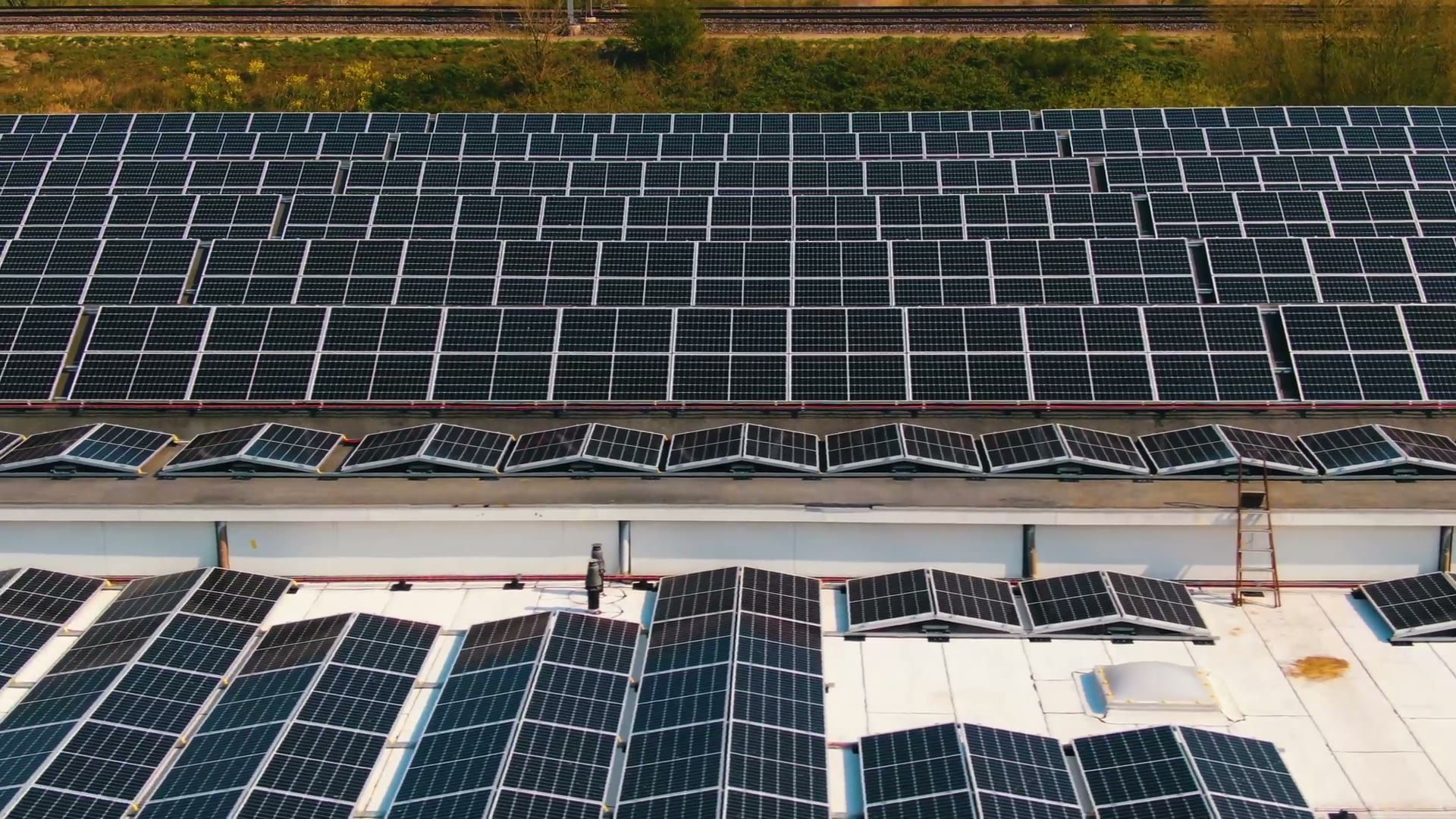
Harnessing solar energy.
Our 1,405 solar panels generate roughly 450,000 kWh of clean energy each year, covering roughly half of our annual electricity demand (the share varies year to year with sunshine and production volume).
Cleaner air and recovered heat.
80 electrostatic oil filters capture oil mist during manufacturing. That improves air quality, lets us recycle the captured oil, and retains the heat our machines produce, reducing gas heating.
Recycling for a circular economy.
Every month we recycle 50+ tonnes of brass and steel, keeping valuable materials in use instead of sending them to waste. The value of the brass swarf is discounted in your part price at offer.
Energy-efficient lighting.
We have replaced all traditional lighting with 366 metres of LED across our facilities, cutting CO₂ emissions from lighting alone by 70%.
Insulation and heat retention.
Added insulation and automatic doors throughout the factory trap the heat generated by our machines. Together they reduce heating energy requirements by 50% and further cut our reliance on gas.
How we minimise our impact
Three ways efficiency compounds
Generate clean.
1,405 solar panels produce roughly 450,000 kWh a year, covering roughly half of our annual electricity demand, a share that varies year to year with sunshine and production volume.
Recover and reuse.
Captured oil mist is recycled, machine heat is retained, and 50+ tonnes of metal a month go back into the recycling chain instead of to waste.
Waste less.
Full LED conversion cut lighting CO₂ by 70%, and insulation with automatic doors reduced heating energy by 50%, lowering our reliance on gas.
One less thing to manage down your supply chain